
How to choose a London yarn shop online with confidence
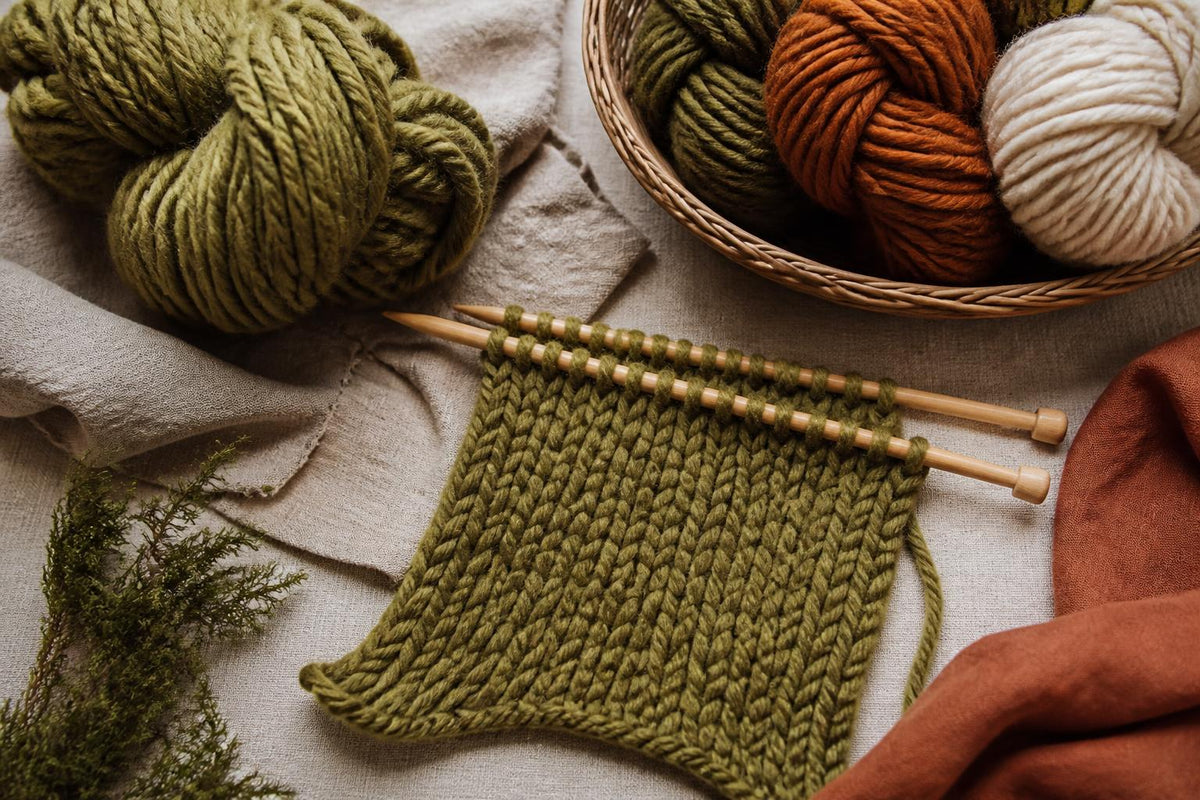
Choosing a London yarn shop online with confidence comes down to a few practical checks. You want to know where the business is based, what it actually sells, how clearly it describes fibre and weight, and whether it gives you enough information to buy the right quantity in the right colour batch for your project.
At Native Yarns, operated by Fleeta Limited, we think the best online yarn shopping feels calm and well informed. If you can identify the type of shop you are looking at, compare yarn details properly, and check care and pattern language before checkout, you are much less likely to end up with yarn that looks lovely on screen but does not suit the project in your hands.
What people usually mean when they search for a London yarn shop
When someone searches for a London yarn shop, they do not always mean the same thing. In practice, there are three different possibilities.
The first is a London-based yarn business. That means the company itself is based in London, even if most customers buy online and never visit in person. For some shoppers, this matters because they want to support a local business or prefer a retailer that understands UK knitting and crochet habits, shipping expectations, and terminology.
The second is an online yarn shop that serves London. This is broader. The business may be elsewhere in the UK, but it sells to customers in London and provides delivery there. For many buyers, this is what matters most. If the website is clear, delivery terms are sensible, and the yarn information is reliable, the exact postcode of the warehouse is less important than the quality of the buying experience.
The third is a physical retail shop in London. That is a different search intent again. A physical shop offers in person colour matching, tactile fibre comparison, and immediate purchase if the yarn is on the shelf. An online shop cannot replace touching a skein before buying, but it can still make the decision straightforward by giving accurate photography, proper fibre descriptions, and practical guidance on use.
It helps to decide which of those you actually want before you start comparing shops. If you need same day purchase, you are looking for a physical retailer. If you want a dependable online order with good product detail and UK based support, an online specialist may suit you better, whether or not it is inside Greater London.
This is also where business identity matters. A trustworthy site should make it easy to see who operates it, where it is based, and how to contact it. In the UK, that usually means a visible company name, clear policies, and contact information that does not feel hidden. We trade as Native Yarns, and the business is operated by Fleeta Limited. That kind of clarity should be normal, not exceptional.
If you are weighing up options more broadly, our guide on finding the right yarn shop online in the UK sets out the same principle in wider terms. Know what sort of shop you want, then judge it on information, not just appearance.
How to judge whether an online yarn shop is right for your project
Once you know you are comparing online shops rather than physical stores, the next question is whether a particular shop is right for the project you want to make.
Start with range, but be precise about what range means. A large catalogue is not automatically better. What matters is whether the shop presents its yarn in a way that lets you compare useful features. Can you tell the yarn weight clearly? Is the fibre content stated plainly? Are colourways shown consistently? Is there enough information to understand whether the yarn is suitable for garments, accessories, blankets, or quick decorative pieces?
For example, if you are planning a fast knit with bold texture, you may want to browse super chunky merino yarn for quick, warm projects. If you are still deciding on the visual direction of a make, it often helps to look at colour palette inspiration for yarn projects before settling on a shade.
Clarity matters as much as choice. A good yarn listing should tell you, at minimum, the yarn weight, the fibre, the colourway, and enough practical detail to help you judge scale and behaviour. For animal fibres, shoppers often want to know not just that a yarn contains wool, but what kind. The word merino, for instance, tells you something useful about softness and handle. The term super chunky tells you something useful about thickness, speed of work, and the kind of fabric you can expect.
Product photography should also do real work. You should be able to see whether a colour is cool or warm, bright or muted, flat or heathered. No screen can reproduce every shade perfectly, but consistent photos and straightforward descriptions reduce surprises. If all colours are photographed differently, with shifting light or inconsistent backgrounds, comparing options becomes harder than it needs to be.
A shop is also easier to trust when it gives practical guidance rather than vague lifestyle language. Helpful signs include notes on what the yarn is generally suited to, reminders to buy enough for one project in one order, and educational content that explains terms beginners often find confusing.
That does not mean every shop needs to stock every possible category. In our case, the verified retail range centres on World of Wool Chubbs, a super chunky merino yarn available in multiple colourways. We also use our journal to help readers understand the wider yarn landscape, so they can compare fibres, weights, tools, and care requirements sensibly before they buy.
Choosing yarn by weight, fibre and intended use
The most useful way to choose yarn is to work from three things together, weight, fibre, and intended use. Looking at only one usually leads to compromises you did not mean to make.
Yarn weight affects gauge, drape, warmth, and speed. A super chunky yarn works up quickly and gives visible stitch definition with relatively little time investment. That makes it popular for beginners, gift knitting, cosy accessories, and projects where you want immediate structure. It can also produce a denser, more substantial fabric than lighter weights, which is ideal for some uses and less so for others.
By contrast, DK yarn is often chosen for versatile garments and accessories because it sits in a middle ground. It can give more drape and a finer finish than super chunky, while still being approachable for many knitters and crocheters. Aran sits above DK in thickness and is often chosen when you want warmth and body without going all the way to very oversized stitches. These comparisons are educational, not a statement of current stock, but they help frame the decision.
Fibre changes the character of the yarn just as much as weight does. Merino is widely valued for softness, warmth, and comfort against the skin. In a super chunky format, that softness combines with dramatic scale, which can be very appealing for hats, scarves, cowls, and statement home accessories. Other fibres, or blends, may behave differently. Some have more bounce, some wear harder, some are cooler, and some are easier to wash routinely.
Intended use is what keeps the choice grounded. A blanket, a baby gift, a winter hat, a textured cushion cover, and a relaxed jumper all place different demands on yarn. Ask yourself:
- Does this project need softness next to skin?
- Do I want drape, or a firmer shape?
- Is speed important?
- Will the item need frequent washing?
- Do I want crisp stitch definition, or a softer halo and blur?
For quick, warm makes, World of Wool Chubbs gives the kind of scale many people are looking for when they choose super chunky merino. That combination can be especially satisfying for projects where texture is part of the appeal. It may be less suitable where you want a very lightweight fabric or intricate fine detail.
This is why we encourage shoppers not to buy by colour alone. A beautiful shade in the wrong weight or fibre is still the wrong yarn for the job. Start with function, then narrow by feel and appearance.
Why dye lot, quantity and tension matter before checkout
A lot of project frustration starts before the first stitch, usually with quantity, dye lot, or gauge.
Quantity is the most obvious one. Before you check out, make sure you have estimated how much yarn the project needs. If you are using a pattern, follow its yarn requirement and then sense check it against the yarn weight and meterage given for your chosen yarn. If you are planning your own project, compare it with a similar finished item and be realistic about size. A cropped hat and an oversized blanket are not close cousins just because they use the same weight.
Where possible, it is often wiser to buy all the yarn for one project in a single order. That matters because of dye lot variation. A dye lot is the production batch a yarn colour comes from. Even when the colourway name is identical, one dye lot can vary slightly from another. Sometimes the difference is small, sometimes it is obvious once worked up across a larger surface. This matters especially for garments, blankets, and any project where adjacent panels or rounds need to match closely.
If the product information includes dye lot details or a note about variation, read it. If a yarn is natural fibre and hand dyed, variation may be part of its character. If it is mill dyed, the variation may be subtler, but it can still exist. The safest habit is simple, buy enough from the same dye lot for the whole project whenever you can.
Gauge is the issue many beginners skip and then regret. In UK knitting and crochet talk, you may also hear this discussed through a tension square. A tension square is a measured sample worked before the main project, usually larger than the final measured area so edge distortion does not mislead you. If a pattern gives a tension, make the sample using the stated stitch pattern, then measure the central area carefully.
This is not just for fitted garments. A tension square helps with hats, blankets, and accessories too. If your stitches are tighter than the pattern expects, your item may come out too small and use more yarn than planned. If your stitches are looser, the fabric may feel floppy, the dimensions may grow, and the finished piece may not hold its shape as intended.
If your tension is off, change one thing at a time. Usually that means trying a different hook or needle size, then swatching again. The yarn has not failed, you are simply matching your personal way of working to the fabric the pattern expects.
For larger projects, it can also be sensible to add a margin when ordering, especially if the design is close to the top end of the stated size range or if you know you crochet or knit tightly. Running short near the end is far more inconvenient than having one extra ball left for repairs or a matching accessory.
What to check on care, tools and pattern language
Before you place an order, check the practical details that affect life after delivery. These are easy to overlook, but they often determine whether the project is enjoyable to make and easy to live with.
First, care. Read washing and drying guidance before buying, not after finishing. A yarn that suits a special occasion shawl may not suit an everyday item that needs frequent laundering. Natural fibres can be wonderfully comfortable, but they do not all tolerate the same treatment. If you are making something for a household with children, pets, or heavy wear, aftercare matters as much as softness.
This is one area where UK and EU expectations can differ in emphasis. In the UK, shoppers are used to retailer information being framed in plain practical terms for domestic care, while products sold more broadly into the EU may lean more heavily on standardised textile care symbols across languages. Both are useful, but for actual decision making, clear written guidance on washing, drying, and storage is often what people need most.
Storage is worth checking too, especially if you buy ahead for future projects. Yarn should be kept clean, dry, and protected from snagging and compression. Finished handmade items benefit from thoughtful storage as well, particularly softer wool pieces that can lose shape on a hanger. If you are organising supplies or finished makes, our collection of yarn bags and storage for keeping projects tidy may be useful.
Second, tools. Make sure the yarn you choose is compatible with the tools you already use, or be prepared to buy the right hook or needle size for the project. Super chunky yarn generally calls for larger tools, and that changes the handling experience. Some people love the speed and visibility of larger stitches. Others prefer the control of a finer yarn and smaller hook or needle. Neither is better, but it is worth knowing your preference.
Third, pattern language. This matters particularly for crochet. A pattern written in UK crochet terms uses names differently from one written in US terminology. A UK treble is not the same stitch as a US treble. A UK double crochet is not the same as a US double crochet. If you miss this, the project can go wrong very quickly even when the pattern itself is perfectly good.
So, before buying yarn for a pattern, confirm whether it uses UK crochet terms or US terms. If the pattern source is British, UK crochet terms are common, but never assume. Check the pattern notes. For knitting, terminology differences tend to create fewer immediate disasters, but abbreviations and style conventions can still vary between publishers and designers.
A confident online purchase is rarely about finding the biggest catalogue or the loudest promises. It is about finding a shop that tells you what the yarn is, what it is for, and what you need to know before you commit. When a yarn shop serving London, or anywhere else in the UK, gives you clear fibre information, honest product detail, sensible guidance on dye lot and tension, and practical notes on care and pattern language, you can buy with much more confidence.
That is the standard we aim for at Native Yarns. We keep the focus on clear information, useful guidance, and a thoughtfully presented range, so you can choose materials that suit the project you actually want to make.
Is Native Yarns a physical yarn shop in London?
Native Yarns is a live UK online yarn shop operated by Fleeta Limited. Readers should not assume there is a walk-in retail shop simply because they are searching for a London yarn shop.
What is the main verified yarn range to look at first?
The verified retail range is World of Wool Chubbs super chunky merino in multiple colourways. If you are planning a quick, warm project, that is the clearest confirmed starting point.
Why should I care about dye lot when buying yarn online?
A dye lot helps identify yarn dyed together in the same batch. Buying enough for one project from one dye lot can reduce visible colour differences across the finished piece.
Do I really need a tension square for super chunky yarn?
Usually yes. Even with super chunky yarn, a tension square can show whether your fabric is too loose, too dense or likely to grow after washing, which helps you adjust before starting properly.
Are crochet terms the same in every pattern?
No. UK crochet terms and US crochet terms differ, sometimes significantly. Always check which system a pattern uses before choosing yarn quantities, hook size or stitch instructions.