
Choosing yarn online in Manchester without costly mistakes
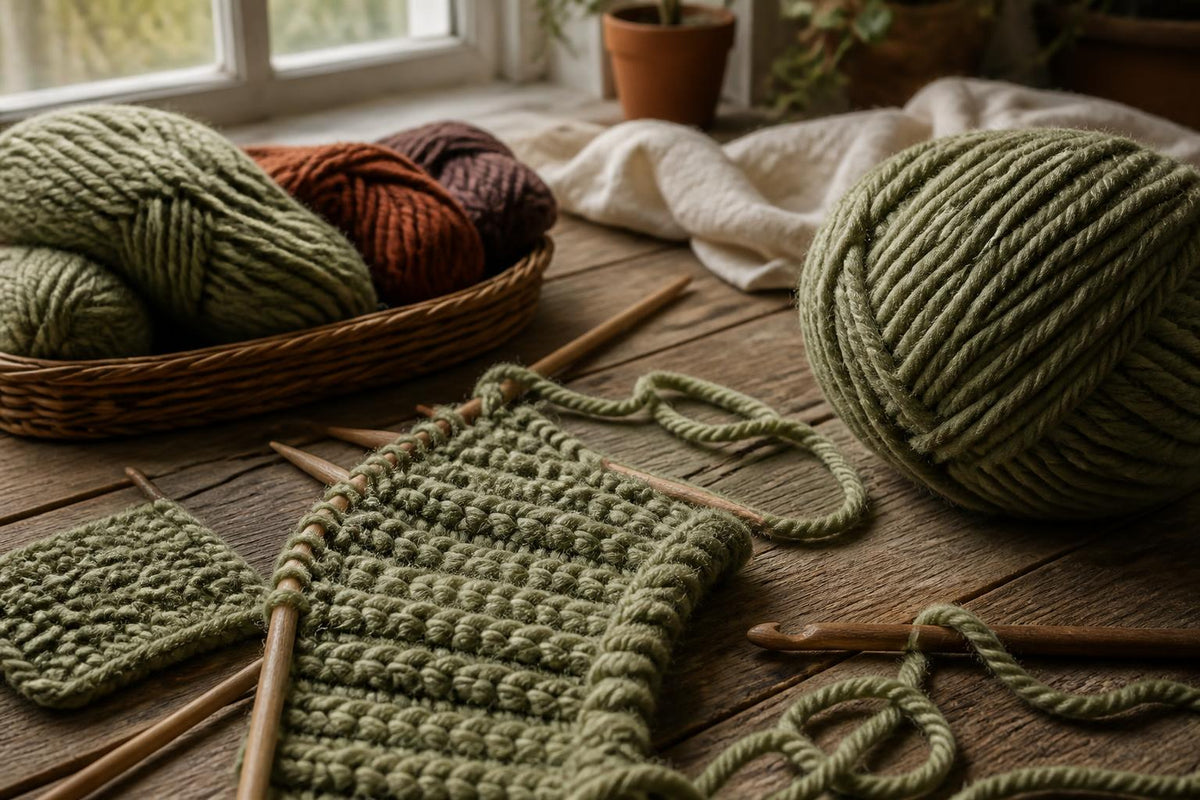
If you are looking for a yarn shop in Manchester, buying online can be the simplest way to get exactly what you need, provided the shop is clear about what it sells, how it dispatches, and what support you can expect before you order. That matters especially when you are choosing yarn by fibre, weight, colour and quantity, rather than picking up a ball in person.
At Native Yarns, we operate as a live UK online shop through Fleeta Limited. That means you can browse, compare and order from Manchester with the convenience of home delivery, but it also means we are not a walk-in shop. Our role is to give you accurate product information, sensible guidance, and a straightforward online ordering experience so you can choose confidently and avoid expensive mistakes.
What to expect from an online yarn shop if you are in Manchester
When you buy yarn online from a UK retailer, you should expect three things. First, the stock should be live, not a vague catalogue with uncertain availability. Secondly, the product details should tell you enough to make a proper decision, including fibre, yarn weight, colourway, and practical use. Thirdly, dispatch and delivery information should be clear enough that you know what will happen after checkout.
For Manchester customers, an online yarn shop can be more useful than relying on whatever happens to be nearby. You can take time over colour choices, compare fibres properly, and order the quantity you actually need rather than settling for substitutes because a shelf is half empty. That is particularly helpful if you are planning a larger project and want consistency across all skeins or balls.
It also helps to understand what kind of business you are buying from. Native Yarns is not a walk-in premises where you can handle yarn in person before purchasing. We are a UK online shop. In practice, that means our product pages, images and written guidance need to do the work that a shop sample basket or in-store conversation might otherwise do. We take that seriously, especially for yarns where softness, loft and scale matter to the finished result.
If you are comparing us with a physical yarn shop in Manchester, the key difference is not quality, it is format. A walk-in shop gives immediate tactile access. A specialist online shop gives you time, range, and the ability to read carefully before committing. For many knitters and crocheters, that is an advantage, particularly when ordering a specific yarn such as our super chunky merino range.
A good online shop should also help you understand the limits of what it can confirm. Our verified retail range includes World of Wool Chubbs super chunky merino yarn in multiple colourways. We may discuss other yarn weights, fibres, tools and project types to help you choose well, but that educational guidance is not the same as saying every example is a stocked product. Being clear about that avoids confusion and helps you order on the basis of what is actually available.
If you are still weighing up how to judge an online retailer, our guide to finding the right online yarn shop in the UK sets out the practical signs to look for.
How to choose the right yarn for your project
The right yarn is not just the one that looks attractive on screen. It needs to suit the job. The main things to compare are fibre, weight, texture and intended use.
Start with fibre. Fibre determines warmth, softness, elasticity, breathability and care needs. Wool has natural spring and warmth. Cotton behaves differently, with less elasticity and a cooler, often heavier feel. Acrylic can be practical and easy-care, but it does not behave like wool in the hand or in the finished fabric. Within wool itself, merino is known for softness and comfort against the skin, which is one reason it is popular for accessories and garments.
Our core retail context is World of Wool Chubbs, a super chunky merino yarn. That combination matters. Because it is merino, you can expect softness and a pleasant handle. Because it is super chunky, you can expect quick progress, bold stitch definition and substantial fabric. Those qualities make it particularly appealing for hats, scarves, cowls, simple jumpers, oversized cardigans, blankets and statement home projects where warmth and visual texture are part of the appeal.
Weight comes next. Yarn weight affects gauge, drape, speed of making and the overall scale of the finished piece. A super chunky yarn works up quickly and creates impact fast, but it does not suit every pattern. If you want a fine, fluid fabric with delicate shaping, a lighter yarn weight may be more appropriate. If you want structure, speed and cosiness, super chunky is often exactly right.
It helps to compare this mentally with lighter categories. DK yarn is versatile for everyday garments and accessories, while aran creates a more substantial fabric without the full bulk of super chunky. Even if you are ultimately choosing Chubbs, understanding those differences makes you less likely to force the wrong yarn into the wrong project. For readers who are learning the distinctions, our pages on DK yarn options and super chunky yarn types can help frame those comparisons.
Texture matters as much as weight. Ask yourself whether you want crisp stitch definition, halo, bounce, smoothness, or a rustic look. A smooth super chunky merino will show knit and crochet stitches clearly, which is useful if you are making cables, ribbing, simple crochet textures or beginner-friendly pieces where you want to see the structure develop easily. By contrast, highly textured or fuzzy yarns can obscure stitch detail and make counting harder.
Then think about intended use. A sofa cushion cover, a baby blanket, a winter hat and a market bag all ask different things of yarn. For hard-wearing items that will see friction, repeated use or rough treatment, softness alone is not the only consideration. For skin-contact items, comfort may come first. For decorative projects, appearance may outweigh wash frequency. Choosing well means matching the yarn to the life the item will actually have, not just the photograph you have in mind.
How much yarn do you need before you order?
Ordering the right amount is where many costly mistakes happen. Too little, and you risk running short with no guarantee that the same colourway and dye lot will still be available. Too much, and you tie up money in yarn that may not suit another project.
The starting point is always the pattern, if you are using one. Look for the stated yarn quantity, then compare it carefully with the yarn you intend to use. Do not assume that one ball of any super chunky yarn is interchangeable with another. Check the ball weight and metreage. Two yarns can both be labelled super chunky and still differ enough in length per ball to change the number you need.
If you are designing your own project or adapting a pattern, estimate by project type. Small accessories such as a hat or cowl may need only a modest quantity, while blankets and oversized garments can require far more than beginners expect. Crochet often uses more yarn than knitting for the same approximate dimensions, especially with dense stitch patterns. Texture also affects usage. Cables, bobbles and heavily structured crochet stitches consume more yarn than plain stocking stitch or simpler crochet fabric.
A sensible method is to calculate from area and swatch. Make a sample, measure how much yarn it used, and scale up from there. That gives you a more realistic estimate than guesswork, particularly for blankets, scarves and cushion fronts.
When possible, buy the full quantity at once. This is important for colour consistency and availability. Even if the yarn name and shade name remain the same, a different dye lot can produce visible variation. In a striped or patchwork project, that may not matter. In a plain garment front or a single-colour blanket, it often does.
The term dye lot refers to a batch dyed together under the same production conditions. Natural fibres and hand-dyed or richly coloured yarns can show variation between batches, and that is not necessarily a fault. It is simply part of textile production. The safest approach is to order enough from one dye lot for the whole project wherever possible.
If you are between quantities, order up, not down. One extra ball is usually less painful than discovering you are short when a project is nearly finished. Spare yarn is also useful for repairs, extending sleeves, adding a matching accessory, or replacing a lost mitten later.
For projects where you know you will need several balls, yarn multipacks for larger makes can be a practical way to plan ahead, provided the quantity suits your pattern and gauge.
Why a tension square matters more than the label alone
The label tells you useful things, but it does not tell you everything. Needle or hook suggestions are starting points, not rules. The real test is your own tension square.
A tension square is a measured swatch that shows how your yarn, tool choice and personal tension behave together. It tells you whether your fabric matches the intended gauge, but it also tells you something just as important, how the fabric feels. Is it too stiff for a garment? Too loose for a hat? Too open for a winter cowl? Too heavy for the drape you wanted?
To make one, cast on or chain enough stitches to create a sample larger than the area you need to measure. Work a square that gives you room to measure the centre accurately, not the edges, which can distort. If the pattern gives a stitch and row gauge over 10 cm, work more than 10 cm in each direction so your measurement is reliable. Then measure the central section with a ruler or gauge tool.
If your square has too many stitches across 10 cm, your stitches are too small and tight for the pattern gauge. Go up a needle or hook size. If you have too few stitches, go down a size. This is why metric sizing matters. In the UK, knitting needles and crochet hooks are commonly referred to in millimetres, and that is the clearest way to compare tools. Older UK and US needle numbering systems still appear in patterns and older books, but metric is the most consistent reference.
Crochet patterns need extra care because terminology differs. UK crochet terms and US terms are not interchangeable. A UK treble is not the same stitch as a US treble. If you miss this, your fabric, yarn usage and finished size can all be wrong before you are halfway through the first repeat. Always check which system the pattern uses before you choose your hook size or estimate quantity.
A tension square is especially important with super chunky yarn. At that scale, small changes in tension can alter the finished dimensions surprisingly quickly. One crocheter may produce a dense, almost rigid basket-like fabric, while another using the same hook and yarn gets a looser, softer result. The label cannot account for that. Your swatch can.
Swatching is also where you test drape and recovery. Scrunch the fabric in your hand. Let it hang. Lay it flat. If you are making a cowl, hold it around your neck. If you are making a cushion, fold it and see how thick it feels. This is the moment to decide whether your chosen yarn and tool combination is serving the project, before you commit several balls and many hours.
What to check on colour, care and practicality
Colour often drives the first decision, but it should not be the last one. A beautiful shade still needs to work in the item you are making, in the light where it will be used, and with the care routine you are realistically willing to follow.
For colour, think beyond the single ball photo. Ask whether you want the finished piece to stand out, blend in, or coordinate with existing clothes or interiors. Deep neutrals can be versatile and forgiving. Light shades show stitch definition beautifully, but may show marks more readily in high-use items. Strong colours can be joyful and dramatic, especially in simple shapes, but they deserve a quick reality check against your wardrobe or room.
If you are unsure where to start, browsing colour palette ideas for yarn projects can help you move from liking a colour in isolation to choosing one that will actually suit the project.
Then consider the practical trade-offs of merino and super chunky yarn. Merino is soft, warm and pleasant to wear, but softness can come with a need for more thoughtful handling than hardier utility fibres. Super chunky yarn creates warmth and speed, but also bulk. That bulk is part of its charm, yet it affects how a finished item stores, washes and dries. A super chunky blanket or jumper takes up more space and may take longer to dry than a lighter equivalent. A very chunky scarf can be wonderfully cosy, but may feel too substantial for someone who prefers a lighter wrap.
Care should be planned before you cast on. If the item is for daily wear, a child, or a busy household, be honest about maintenance. A yarn that needs gentler treatment can still be the right choice, but only if that suits the recipient and the use. For occasional accessories, special-occasion wraps or decorative home pieces, careful washing may be entirely reasonable. For heavily used household items, you may decide that another fibre would be more practical, even if the feel is less luxurious.
In the UK, care guidance should be followed as supplied by the retailer or manufacturer for the specific yarn. Do not rely on generic assumptions about wool. Fibre type gives a clue, but finish and processing matter too. Where a yarn needs hand washing or careful drying, plan for that from the outset. Drying flat, reshaping while damp, and avoiding rough agitation are common parts of caring for handmade wool textiles. That is not unique to the UK, but product labelling and consumer information may be presented differently from EU-wide examples, so always use the instructions given for the yarn you have actually bought.
Finally, think about storage and longevity. Keep leftover yarn with its label if possible, especially where shade and dye lot information may matter for future repairs. Store finished items clean and dry, away from snagging and compression where practical. If you are building a small stash around current projects, proper yarn storage for works in progress helps keep fibres tidy, protected and easier to track.
Choosing yarn online well is mostly a matter of slowing down at the right points. Check the fibre. Check the weight. Check the intended use. Make a tension square. Order enough in one go. Think honestly about care. If you do that, buying from an online yarn shop for Manchester becomes less of a gamble and more of what it should be, a calm, enjoyable way to choose materials you will be happy to make with and live with afterward.
Can I visit Native Yarns in Manchester?
No. Native Yarns is an online shop operated by Fleeta Limited. Readers in Manchester can order online, but the registered office should not be treated as a retail shop.
Is super chunky merino a good choice for beginners?
Often, yes. super chunky merino is easy to see and works up quickly, which can help beginners spot stitches and finish projects sooner. It is still worth making a tension square first.
Why should I care about dye lot?
A dye lot helps identify yarn dyed together in the same batch. Small colour differences can appear between batches, so buying enough at once can help keep a project looking consistent.
Do knitting and crochet use the same amount of yarn?
Not always. Crochet often uses more yarn than knitting for a similar size because the fabric structure is different. Check the pattern and add a margin if you are unsure.
What is a tension square?
A tension square is a measured sample you make before starting. It shows whether your stitches match the pattern gauge and helps you judge fabric, drape and the right needle or hook size.